Living an Ecofriendly Life in Curicó, Chile
- José

- 15 feb 2020
- 4 Min. de lectura
Actualizado: 21 mar 2020
A few years ago, I got inspired by the story of Rob Greenfield, an American activist who lives an extremely eco-friendly life. Since then, I've tried to gradually decrease my environmental impact.
First, I started by prefering walking or cycling instead of commuting by motor vehicles.


Later on I gave up soda bottles and cans and started drinking only milk and water from the tap.


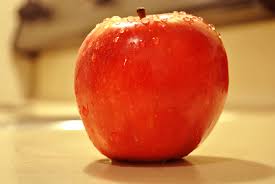
Then I decided to stop buying snacks wrapped in plastic and I replaced them with fruits.


My next step was to do the grocery shopping carrying my own reusable bags. This wasn't as easy as it sounds, cause everyone was so accustomed to single-use plastic bags that before I could even say anything, I'd find they had put my products inside a plastic bag. This isn't a problem anymore though, since single-use plastic bags have begun getting banned in Chile, at least in big supermarkets.

Another big change I made was to stop buying yoghurt, because I was wasting one yoghurt container a day and that was too much for me. However, as a big yoghurt fan I didn't want to stop consuming it, so I started making it at home. In order to do so, I managed to find someone to give me Kefir grains, a symbiotic mix of bacteria and yeasts. These awesome grains are fed with milk and provide me yoghurt on a daily basis.

Kefir grains
In general terms, these first steps were pretty straightforward, but I felt like it wasn't enough. After all, most of the things I bought were wrapped in plastic anyway. Using an eco-friendly bag just to fill it with products wrapped in plastic didn't feel right at all. Fortunately, I found a workaround.
Some time ago I had read about zero waste shops and projects in other countries like the USA. These shops, such as Fillaree, sell their products by filling containers that the shoppers themselves bring, avoiding single-use plastic. Nonetheless, living in a small city of Chile, finding a zero waste shop wasn't a real possibility to me. At least that's what I thought.
To my surprise I found a very interesting alternative just when I needed it the most: a new shop called "Nativos Espacio a Granel" opened in town. Even though this is not a zero waste shop, it's the closest I've found. They sell most of their products unwrapped so I can go with my own containers and just refill them in there. The shop is small but with lots of products, affordable prices and a very nice attention. They even offer home delivery by bicycle to protect the environment. Notice that if you're not from Curicó you don't need to panic, cause this kind of shop is a new trend that is just starting to expand in Chile.


Nativos Espacio a Granel
With this new shopping altenative in hand, I adjusted my diet and started buying most of the things I needed in this place. I could find rice, eggs, oatmeal, all types of nuts, sugar, salt, cooking oil, among many other products to eat. But that's not all, I even found shampoo, soap, biodegradable detergent to wash my clothes and biodegradable dish soap. Even though the shampoo and the soap do come wrapped in plastic, it's very little, just a film and nothing compared to the mainstream containers. It's also important to point out that most of their products are from local pymes, so by buying here, we help boost the local economy.
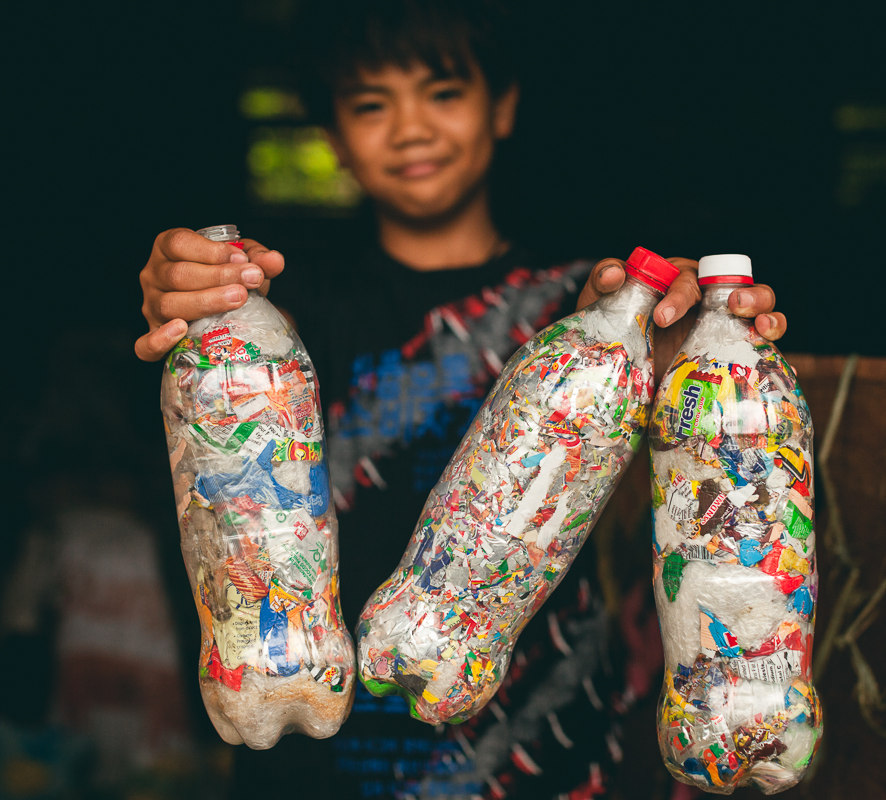
Nevertheless, not everything could be a bed of roses. After all, how could they get all their products without using any plastic? What if they were hiding it? I got intrigued and decided to find out what their secret was. The answer turned out to be the following: they do get some plastic, but they deal with it in a very efficient way. First of all, bulk purchases require less plastic because the products are not wrapped in plastic separately. But the second and most important reason for their efficiency is that they make ecobricks with the plastic they get. Ecobricks are nothing more than plastic bottles filled with compacted materials and used in the construction industry. In this sense, all the plastic they get is used to fill these bottles and then gathered in a school of the city, from where later on is taken and used to buid bus stops in the region.

In conclusion, given that the conditions to recycle in my city are very deficient, I managed to decrease my plastic waste production in a considerable way, which is even better than recycling. As for my organic waste, my next step is to learn about vermicomposting. For the moment, this is all I have to tell you. I hope you found this post useful and I encourage you to visit the wanders of Chile in an ecofriendly way!
To finish, I encourage you to comment and share your knowledge with the community. And if you liked this post don't forget to leave it a like!
BONUS: a video to complement the post
PS: click here to find a map of the recycling points in Curicó. It's offered by the Department of Environmental Management and Territory.


Comentarios